Electric Car vs Gas Car Cost: Which Is Cheaper Over 5 Years?
Electric car vs gas car cost over 5 years, using US average electricity and gasoline prices. Energy is cheaper. The sticker price decides the rest.
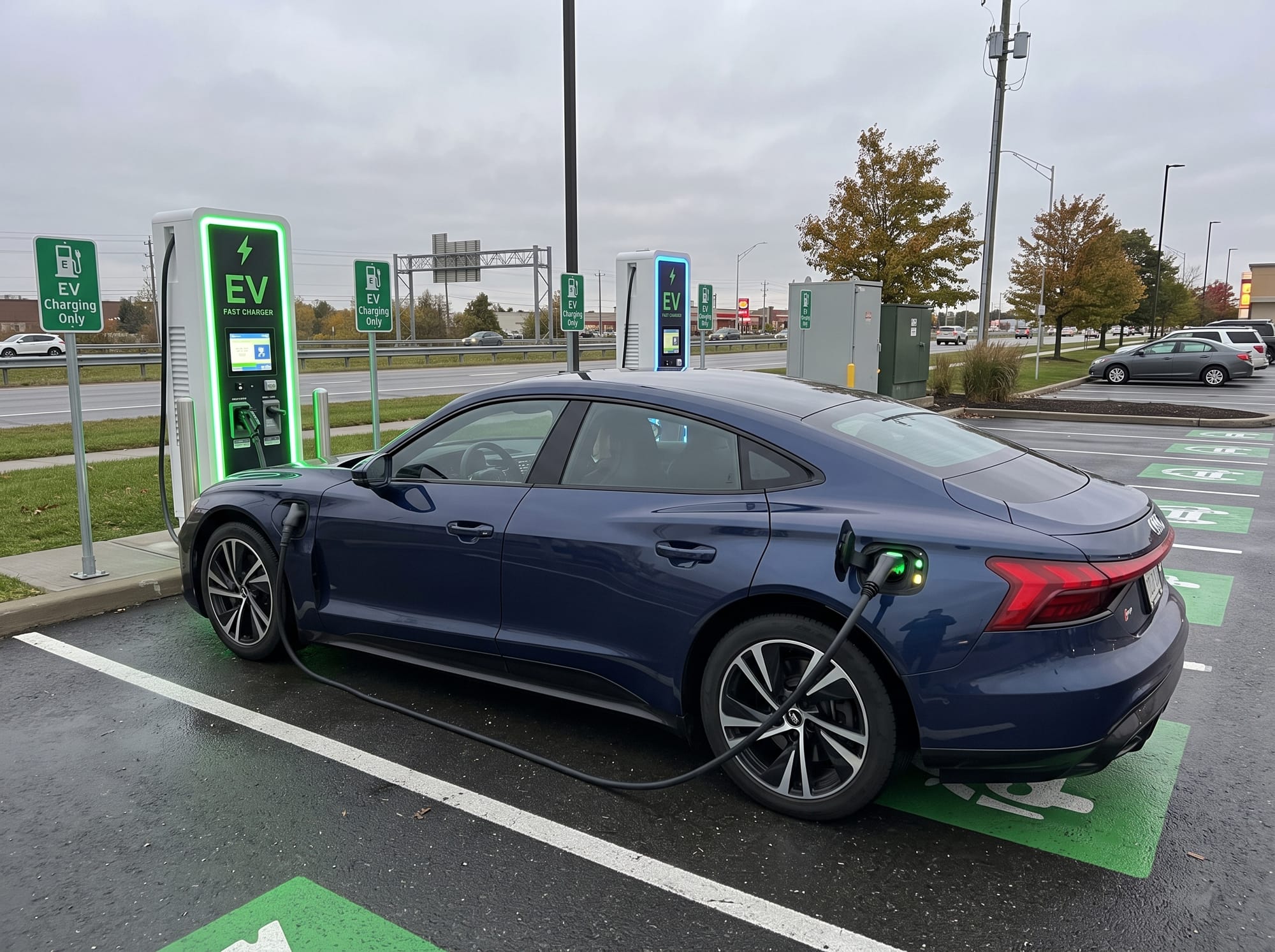
• On US 2025 average prices, the energy to drive an electric car is cheaper than the gasoline for a similar distance. That part of the argument is solid.
• In a worked example at 12,000 miles a year, five years of home charging is about $3,100. Five years of gasoline at 30 mpg is about $6,200. The gap is about $3,100.
• A purchase-price gap larger than that is not repaid by energy in five years, at these national averages.
• Public fast charging, a thirsty vehicle, or a cheap-gasoline state can shrink the gap. An expensive-gasoline state can widen it.
Electric car vs gas car cost is two different sums that get collapsed into a slogan. The first is energy: kilowatt-hours against gallons, at a price you can look up. The second is everything else: the price of the car, insurance, tyres, maintenance, and what the car is worth when you sell it. Energy really is cheaper for the electric car in the US averages below. Whether the electric car is cheaper to own is a question about how large a premium you paid on day one. This article does the energy sum in the open, and it stops where the evidence stops.
Electric car vs gas car cost: the prices we can cite
The US Energy Information Administration is the source for both fuels. For 2025 it reports an average residential electricity price of 17.30 cents per kWh. For the same year it reports an average retail price for regular gasoline of $3.10 per gallon, 21 cents below 2024. The national average hides a wide map. EIA puts the Gulf Coast at $2.39 per gallon and the West Coast at $4.32. A comparison that uses only the national number is a starting point, not your receipt.
One US gallon is 3.785 litres, so $3.10 per gallon is about $0.82 per litre. If you think in litres and kilometres, convert at the end. Do not compare a US gallon price with a litre price as if they were the same unit.
Home charging is the electric side of a fair comparison, because that is how most daily miles are done. Public DC fast charging is priced per kilowatt-hour or per minute at a premium that varies by network, and there is no single national figure we should pretend is "the" fast-charging price. If you fast-charge for every mile, redo the sum with the price on your app. It can eat the advantage below. [CHECK your own network's price per kWh before you assume home rates.]
Are electric cars cheaper to fuel? A 5-year example
Are electric cars cheaper on energy, in this specific example, yes. The assumptions are deliberate and round, so you can replace them with your car:
- 12,000 miles a year (about 19,300 km). This is an example, not a claim about the average driver.
- Electric car: 30 kWh per 100 miles, which is 3.3 miles per kWh. Many efficient cars do better. A large SUV does worse. Look up the figure on fueleconomy.gov.
- Gas car: 30 miles per gallon. Again, a round midpoint, not your car.
- Electricity: $0.173 per kWh, all of it at the home residential rate. No time-of-use discount, no solar.
- Gasoline: $3.10 per gallon.
- No purchase price, insurance, maintenance or resale in this first table.
Electric energy per year = 12,000 miles × 30 kWh / 100 miles = 3,600 kWh. Cost = 3,600 × $0.173 = $623 per year. Over five years, $3,114.
Gasoline per year = 12,000 / 30 = 400 gallons. Cost = 400 × $3.10 = $1,240 per year. Over five years, $6,200.
The energy gap is $6,200 − $3,114 = $3,086 over five years, or about $617 a year. That is the number a higher purchase price has to beat.
| Each year | Five years | |
|---|---|---|
| EV, 3,600 kWh at $0.173 | $623 | $3,114 |
| Gas, 400 gal at $3.10 | $1,240 | $6,200 |
| Energy saved by the EV | $617 | $3,086 |
Charging is not lossless. If you allow 10% for heat in the charger and the battery, the car needs about 4,000 kWh from the meter to put 3,600 kWh in the pack (3,600 ÷ 0.9 = 4,000). At $0.173 that is $692 a year, or $3,460 over five years. The five-year gap shrinks from $3,086 to about $2,740. Treat 10% as a planning allowance. [CHECK it against your charger's own figure if you have one.]
The same miles at different gasoline prices
Hold the electric car at the national electricity price, and move only the pump price across EIA's 2025 regional picture.
| Gasoline price | 400 gallons a year | Five-year fuel | Five-year gap vs the $3,114 EV |
|---|---|---|---|
| Gulf Coast, $2.39/gal | $956 | $4,780 | $1,666 |
| US average, $3.10/gal | $1,240 | $6,200 | $3,086 |
| West Coast, $4.32/gal | $1,728 | $8,640 | $5,526 |
Electricity varies by state too. The national 17.30 cents is not California, and it is not a cheap hydro region. A higher electric rate closes the gap. A lower one opens it. The West Coast row is not a free win for the EV, because West Coast electricity is often above the national average. Use your two local prices, not the row that flatters the answer you want.
Miles scale in a straight line. At 15,000 miles a year, multiply every dollar in the national case by 1.25. The five-year energy gap becomes about $3,860 before charging losses. At 8,000 miles it becomes about $2,060. People who drive little save little, because there are fewer gallons to avoid.
When the higher sticker is not repaid
Divide the extra you pay for the electric car by the yearly energy saving. At about $617 a year in the national example, a $3,000 premium takes about five years of energy to earn back. A $6,000 premium takes about ten. A $10,000 premium takes about sixteen. None of those payback years include maintenance.
Maintenance is real and it is not in the table on purpose. An electric car has no oil changes, no spark plugs and less brake work if it uses regeneration. It can eat tyres faster, because the car is heavy and the torque is immediate. Dollar totals for "EV maintenance versus gas maintenance" depend on the pair of cars and on who wrote the study. [CHECK a current comparison for the two models you are choosing, and do not drop an unsourced $1,000 a year into the sum.] Insurance and resale can be larger than the fuel gap in either direction. They are outside this article.
Incentives change the premium before any of this starts. A point-of-sale credit, a state rebate, or a cheaper lease reduces the price gap the fuel has to repay. A 2026 buyer should read the current rule for the specific car. Do not reuse a 2024 headline.
Real: at EIA's 2025 US averages, home electricity beats gasoline by about $3,100 over five years in this 12,000-mile example.
Not automatic: "the EV is cheaper to own." That is true when the price gap is smaller than the running-cost gap, and false when it is not.
Left out on purpose: insurance, tyres, depreciation, and the price of public fast charging.
Verdict: do the energy sum with your miles and your two prices. Then put the real price difference next to it. The slogan is not the sum.
Frequently asked questions
Are electric cars cheaper than gas cars?
They are cheaper to fuel, at US average home electricity against US average gasoline, in the example above. They are cheaper to own only if the extra you paid up front is smaller than the fuel, maintenance and incentive difference over the years you keep the car.
What is a fair electric car vs gas car cost over 5 years?
Use the same miles, the official efficiency of each car, your electricity price and your gasoline price. In our national illustration the five-year energy bills are about $3,114 and $6,200. Your cars will not be exactly 30 kWh/100 miles and 30 mpg.
Does cheap gasoline wipe out the advantage?
It shrinks it. At EIA's Gulf Coast price of $2.39, the five-year gap in this example falls to about $1,700. It does not reverse, unless your electricity is also expensive or you do almost all your miles on costly public chargers.
What if I only use fast chargers?
Redo the $0.173 with the price in the charging app. Fast charging is often well above residential electricity. At three times the home rate, the EV energy bill in this example rises from $623 to about $1,870 a year, which is more than the gasoline. Home charging is the case that wins.
How do I find the right efficiency for my car?
In the US, fueleconomy.gov lists kWh per 100 miles and miles per gallon for specific models. Use those, then the same division as above. A showroom "up to" range is not a consumption figure.
Do solar panels change the result?
Yes, if the midday solar would otherwise be exported for less than the residential rate, or wasted. Charging the car from your own array can bring the energy cost toward the small fees on the bill. It does not change the purchase-price gap.
Run your own miles and prices in the EV vs petrol calculator. The country prices in that tool are reference values for a quick comparison. The dollars in this article are EIA's 2025 US averages, which are the right ones to cite for the United States. To see where you would actually plug in, open the EV charging map.